
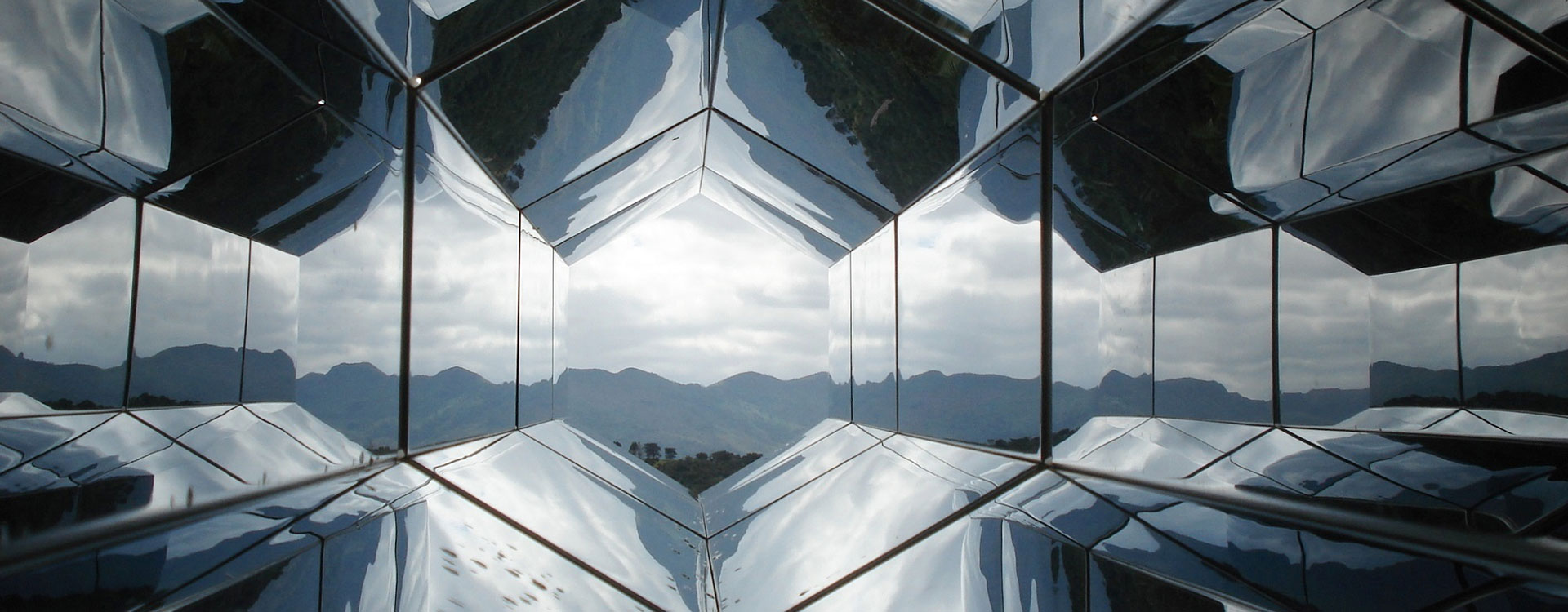
5 Principles of Timeless Interior Design
A timeless interior is not about following every trend. It is about creating a space with the right balance of proportion, material, light, comfort and personality so that it continues to feel relevant long after the latest design trend has passed.
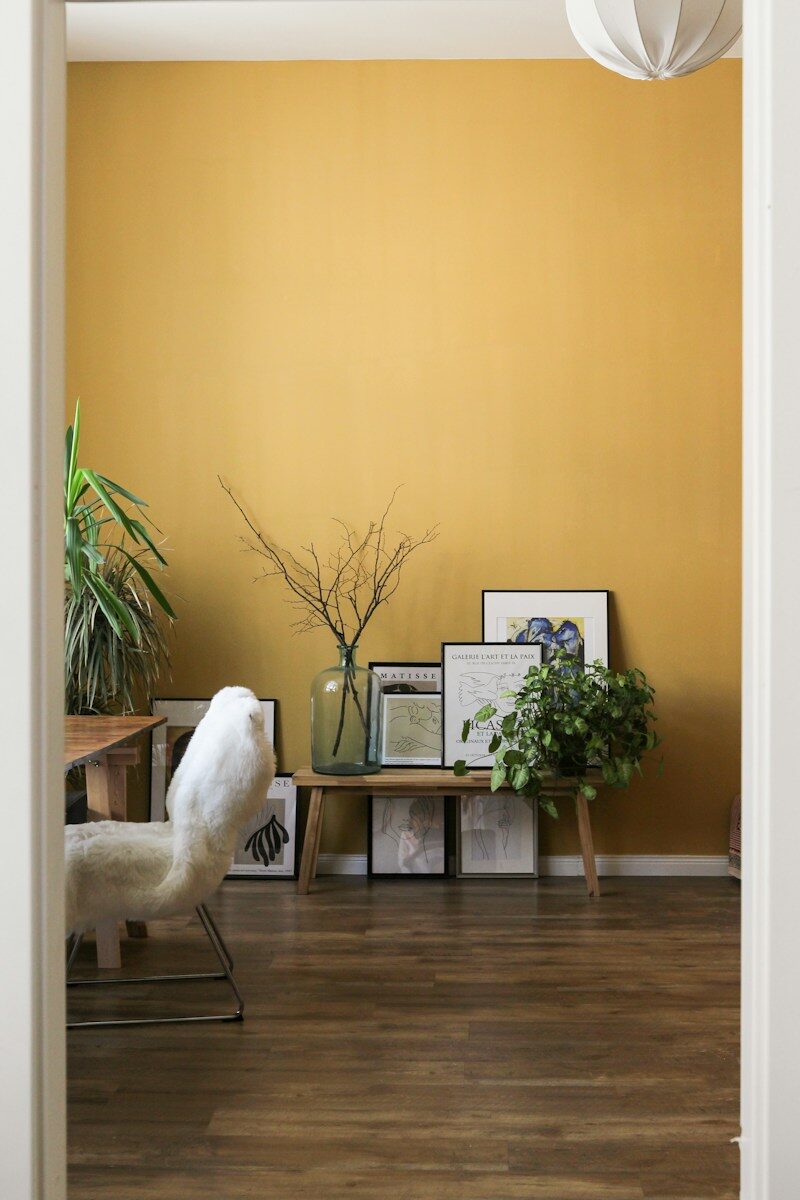
Design for the way people actually live
The most successful interiors begin with people rather than decoration. Before choosing finishes or furniture, consider how the room will be used throughout the day. A family living room needs flexible seating and practical storage. A dining area needs comfortable circulation and lighting that can shift from everyday meals to evening gatherings.
When the layout responds naturally to daily routines, the room feels effortless. This functional foundation gives the decorative elements a purpose and prevents a beautiful interior from becoming difficult to live in.
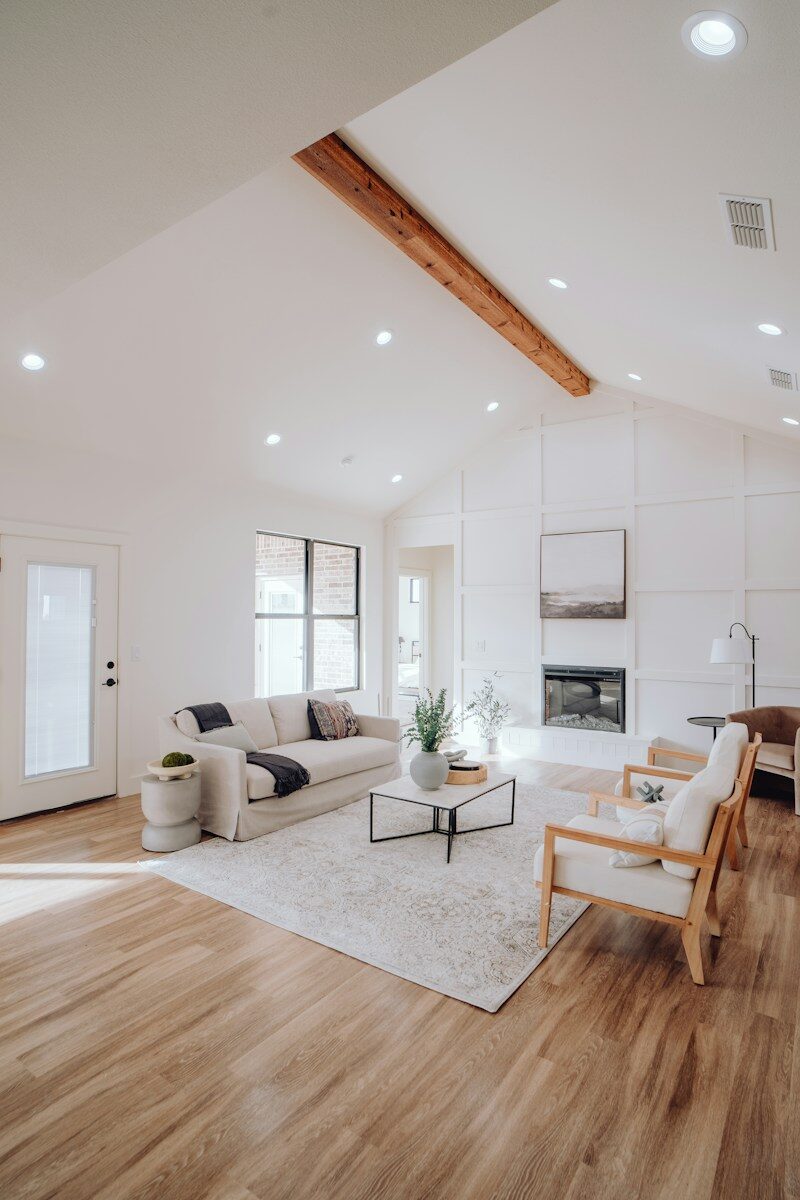
Let proportion lead the room
Furniture should relate to the size of the room, the height of the ceiling and the scale of surrounding architectural elements. Oversized pieces can overwhelm a compact room, while furniture that is too small can make a generous space feel disconnected.
Start with circulation and sightlines. Once the major pieces are positioned, smaller details can be layered around them without compromising the overall balance.
Choose materials with character
Natural stone, timber, textured fabrics and carefully selected metals tend to age gracefully because they develop character rather than relying on a short-lived visual trend. A restrained material palette also makes it easier to create continuity from one room to another.
The goal is not to use expensive materials everywhere. It is to select a few distinctive finishes and allow them to become meaningful accents within the space.
“Great interiors do not compete for attention. They create an atmosphere that makes people want to stay.”
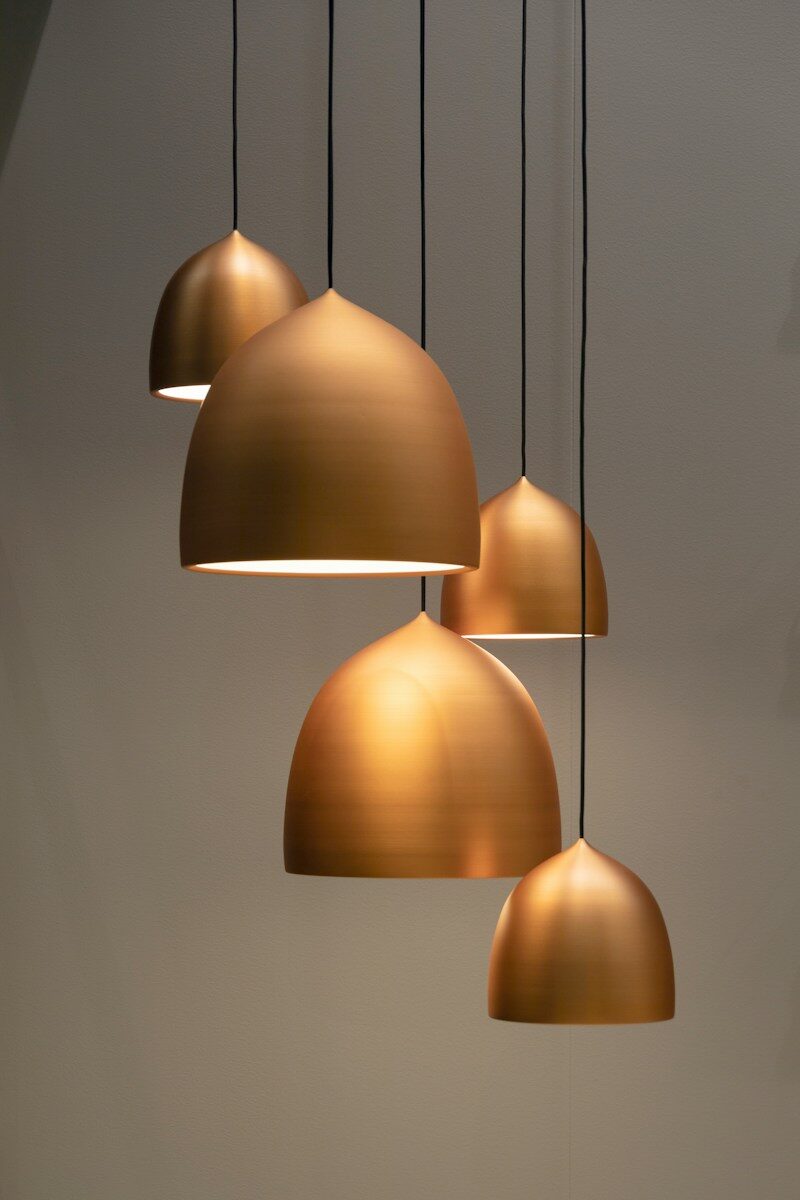
03 — Lighting, 04 — Colour, 05 — Personality
Lighting should be planned in layers: ambient light for overall comfort, task lighting where activities happen, and accent lighting to highlight architecture or artwork. This creates depth and allows a room to change mood throughout the day.
Colour works best when it supports the architecture. Neutral foundations can be warmed with timber, textiles and carefully chosen accents, while deeper tones can create intimacy in selected areas. Finally, personality is what turns a designed room into your space. Artwork, books, objects, photographs and meaningful pieces should have room to breathe.
Build a space that lasts
Timeless design comes from thoughtful decisions made in the right order: understand the people, plan the space, choose materials carefully, layer the light and finish with details that feel personal. When those elements work together, the result is more than a beautiful room — it becomes a space that continues to serve you well.
INTERIOR DESIGN SPACE PLANNING DESIGN TIPS
Leave a Reply